

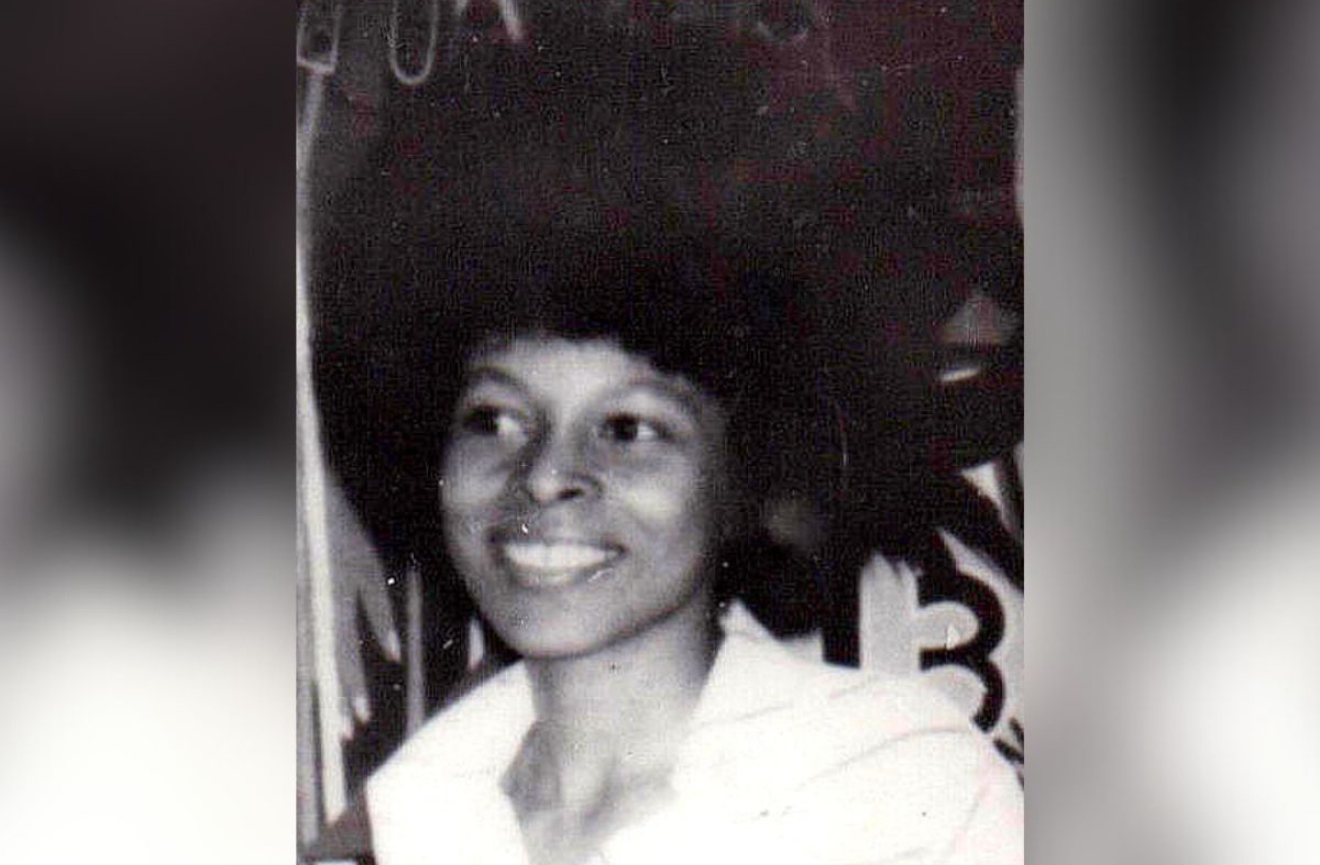
By Tephanie Delaney
Havana, Cuba — September 25, 2025
Assata Olugbala Shakur, once one of America’s most wanted fugitives and a defining voice of the Black liberation struggle, has died in Havana at the age of 78, Cuban officials confirmed. The Ministry of Foreign Affairs reported that Shakur passed away from health complications tied to her advanced age (AP News).
Born JoAnne Deborah Byron in Queens, New York, in 1947, Shakur came of age during the upheavals of the civil rights era. She gravitated toward political activism, first with the Black Panther Party and later with the Black Liberation Army (BLA). To her supporters, she embodied resistance against racial injustice; to her detractors, she was a militant fugitive who escaped accountability.
The Infamous Turnpike Shooting
Shakur’s name became etched in history on May 2, 1973, when a traffic stop on the New Jersey Turnpike erupted into gunfire. In the aftermath, State Trooper Werner Foerster was dead, another trooper was wounded, and Shakur herself was badly injured. Prosecutors accused her of firing the fatal shots.
In 1977, after a heavily publicized trial, she was convicted of murder and several felonies, sentenced to life in prison. Her defense maintained she could not have fired a weapon—her right arm was paralyzed by a bullet wound (Wikipedia).
Escape and Exile
Two years into her sentence, Shakur escaped from a New Jersey women’s prison with the help of armed allies. She resurfaced in Cuba in 1984, where she was granted political asylum by Fidel Castro’s government.
For decades, she remained there, a fugitive in the eyes of the U.S. government. In 2013, the FBI placed her on its Most Wanted Terrorists list, the first woman ever to appear, with the agency offering $1 million for her capture (CBS News).
Cultural Icon and Controversial Legacy
Even in exile, Shakur’s influence grew. Her autobiography, Assata: An Autobiography, became a staple in Black studies classrooms and activist circles. She was also godmother to the late rapper Tupac Shakur, further cementing her cultural resonance in hip-hop and beyond.
For many, she was a revolutionary who refused to bow to an unjust system. To others—especially law enforcement groups—she was a convicted cop killer who eluded justice. As Fox News noted in its coverage of her death, police unions have long considered her escape an open wound in the history of law enforcement (Fox News).
A Polarizing Symbol
Assata Shakur’s passing closes the final chapter of a life lived in defiance of the law but in steadfast commitment to a political vision. She was both celebrated and condemned, remembered as a heroine of resistance and reviled as a murderer on the run.
Her death, much like her life, is sure to spark debate—over race, justice, activism, and what it means to resist.