
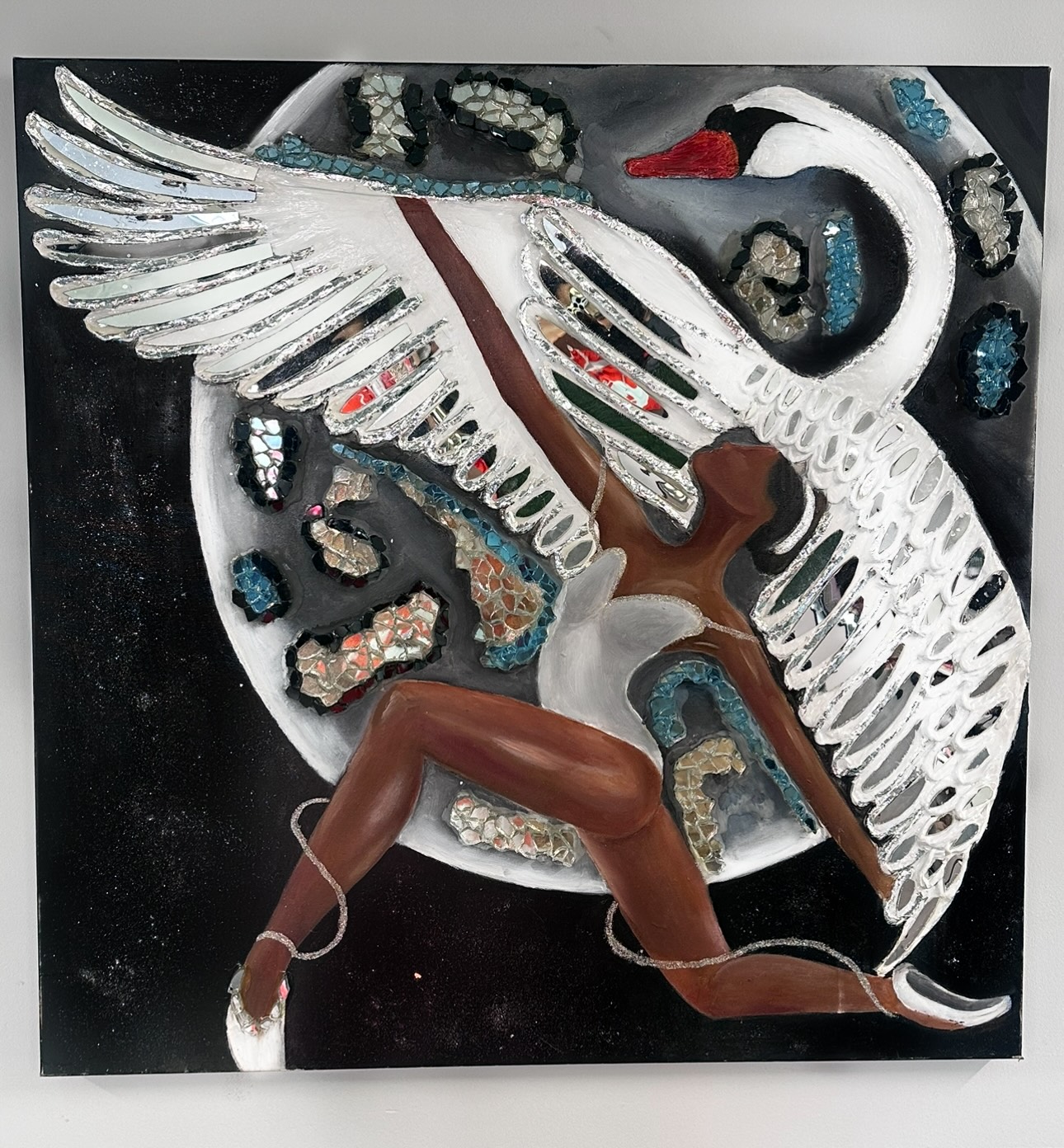
In the 21st century, we are witnessing a cultural renaissance unlike any seen before—a vibrant resurgence of Black art and expression that is transforming global narratives and redefining Black identity. Much like the Harlem Renaissance of the 1920s, this new wave of Black creativity speaks to both the joys and struggles of Black life, offering powerful reflections on the world we live in today. From visual art and music to film, literature, and digital media, Black creators are using their platforms to tell stories, challenge norms, and build new pathways toward economic empowerment. This renaissance is not just a movement—it is a reclamation of space, voice, and ownership.
Visual Arts: From Canvas to Digital Spaces
In the visual arts, Black creators are breaking down barriers and pushing boundaries in ways that blend the traditional with the cutting-edge. Artists like Kehinde Wiley, Kara Walker, and Amy Sherald have brought Black bodies into the mainstream art world, crafting works that challenge historical narratives and uplift Black beauty. However, a growing number of contemporary artists are utilizing digital platforms to expand their reach, creating a space for Afrofuturism, surrealism, and Black feminism to thrive.
Platforms like Instagram and even NFTs (Non-Fungible Tokens) have allowed these artists to build global followings without relying on traditional galleries, making their work more accessible to the public. Digital art spaces have opened doors for artists like Shantell Martin and Bisa Butler, whose works are celebrated for their intricate details and bold statements on identity, race, and community. This shift is empowering Black creators to own their narratives and redefine how the world engages with Black art.
Music: A Fusion of Old and New Sounds
The evolution of Black music is nothing short of revolutionary. Black musicians are drawing from the deep well of genres rooted in Black culture—jazz, blues, gospel—while blending them with contemporary sounds like hip-hop, R&B, and afrobeats. Artists like H.E.R., Kendrick Lamar, and Janelle Monáe are not only pushing musical boundaries but also sparking conversations about race, gender, and empowerment through their art.
Producers like Metro Boomin and Mike WiLL Made-It are also creating a new sonic landscape where genre lines blur, allowing for innovative fusions that appeal to listeners across generations. Importantly, Black musicians are increasingly finding ways to bypass traditional industry gatekeepers by using streaming platforms, social media, and direct-to-fan models to share their work, creating a new paradigm of economic freedom within the music industry.
Discover our latest blog on : What Lower Interest Rates Mean for Minorities Seeking Stability and Wealth
Film and Television: The Golden Age of Black Storytelling
We are in a golden age of Black storytelling in film and television. Creators like Jordan Peele, Ava DuVernay, and Issa Rae have revolutionized the industry by telling Black stories that span multiple genres—from horror and drama to comedy and sci-fi. Films like Get Out, Selma, and shows like Insecure are not only box-office hits but also cultural touchstones, giving voice to narratives that had long been marginalized in mainstream media.
This explosion of Black storytelling isn’t limited to big-budget Hollywood productions. The rise of indie films and web series by Black creators is ensuring that even more authentic stories reach audiences. Platforms like Netflix, Hulu, and YouTube are democratizing access to Black narratives, allowing filmmakers to distribute their work widely, breaking through traditional barriers of entry in the industry.
Literature: Black Writers and Poets Redefining the Canon
Black literature is experiencing a renaissance of its own. Authors like Ta-Nehisi Coates, Roxane Gay, and Brit Bennett are leading the charge, writing stories that address the complexities of Black life with nuance, creativity, and unflinching honesty. Genres like Afrofuturism and speculative fiction, pioneered by writers like Octavia Butler, are gaining renewed interest, as Black authors explore futuristic worlds and alternate realities where Blackness thrives in all its forms.
Poetry is also seeing a resurgence, with contemporary poets like Danez Smith and Amanda Gorman using their work to engage with themes of justice, identity, and hope. Their words resonate not just in literary circles but across social and political landscapes, bringing Black poetry into the mainstream.
The Role of Social Media: Amplifying the Black Creative Voice
Social media has been a crucial amplifier of this new wave of Black expression. Platforms like TikTok, Instagram, and Clubhouse have become powerful tools for Black creators to share their work, build communities, and spark conversations. From visual artists and musicians to filmmakers and writers, social media has democratized the creative process, allowing creators to bypass traditional gatekeepers and directly connect with their audiences.
On TikTok, for example, Black creators are using short-form video to challenge stereotypes, educate audiences, and create viral trends that reshape popular culture. Instagram has become a digital gallery for visual artists, while Clubhouse has opened up new spaces for real-time discussions on Black art, culture, and entrepreneurship. This digital ecosystem has made it possible for Black creators to expand their reach globally, creating networks of support and collaboration that are propelling this renaissance forward.
The Business of Black Art: Ownership and Economics
One of the most significant aspects of this cultural renaissance is the emphasis on ownership and economic empowerment. Black creators are reclaiming ownership