


By Tephanie Delaney
After more than six weeks of explosive testimony and mounting scrutiny, Sean “Diddy” Combs has officially confirmed that he will not take the witness stand in his own defense. The music mogul made the announcement directly in court Tuesday, while also offering rare praise to the presiding judge, calling U.S. District Judge Arun Subramanian’s handling of the case “an excellent job.”
The moment came just as federal prosecutors concluded their presentation of evidence—a case that leaned heavily on disturbing accounts from former employees and two ex-girlfriends, all of whom described years of emotional manipulation, coercion, and abuse. Their stories stretched across two decades, painting a picture of unchecked power and blurred boundaries behind the scenes of a once-celebrated empire.
Shortly after the prosecution rested, Combs’ legal team moved swiftly, asking the judge to dismiss the case entirely. Defense attorneys argued that the government failed to meet its burden of proof, asserting that the allegations did not rise to the legal threshold required to continue. The judge has not yet ruled on the motion.
Combs has denied all charges. His decision not to testify, while headline-grabbing, follows a common legal strategy in high-profile cases. With the burden of proof squarely on the prosecution, defense teams often avoid exposing their client to cross-examination, especially in trials involving emotionally charged allegations.
While the court now shifts its attention to the defense’s case, the public remains locked in. This trial has become more than a courtroom drama—it’s a cultural moment, forcing deeper reflection on fame, silence, complicity, and the unspoken costs of celebrity worship.
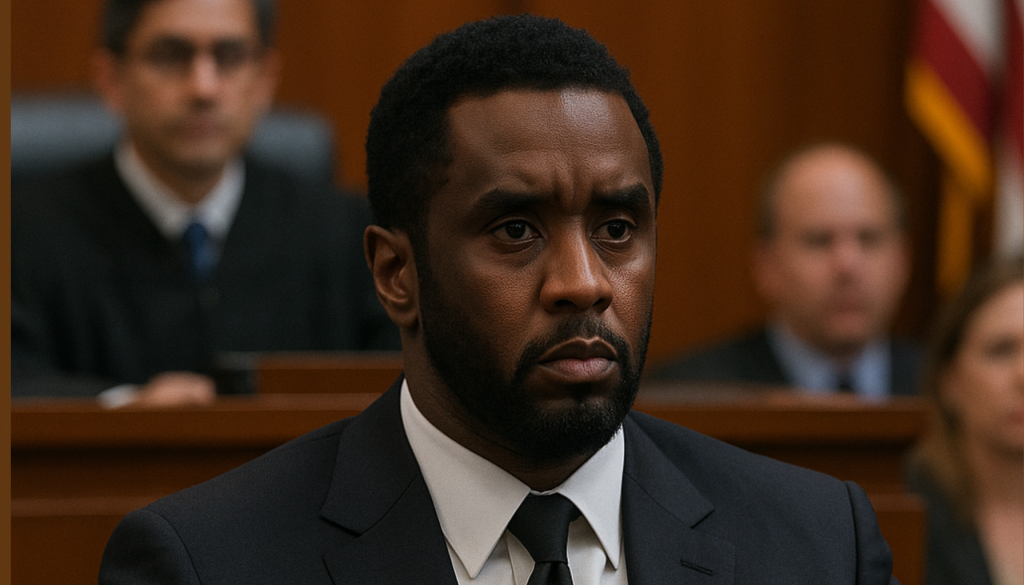
Whether Combs walks away acquitted or convicted, the impact of this case will likely ripple far beyond the verdict. For now, the man once crowned king of hip hop waits quietly at the defense table, his legacy hanging in the balance.


