
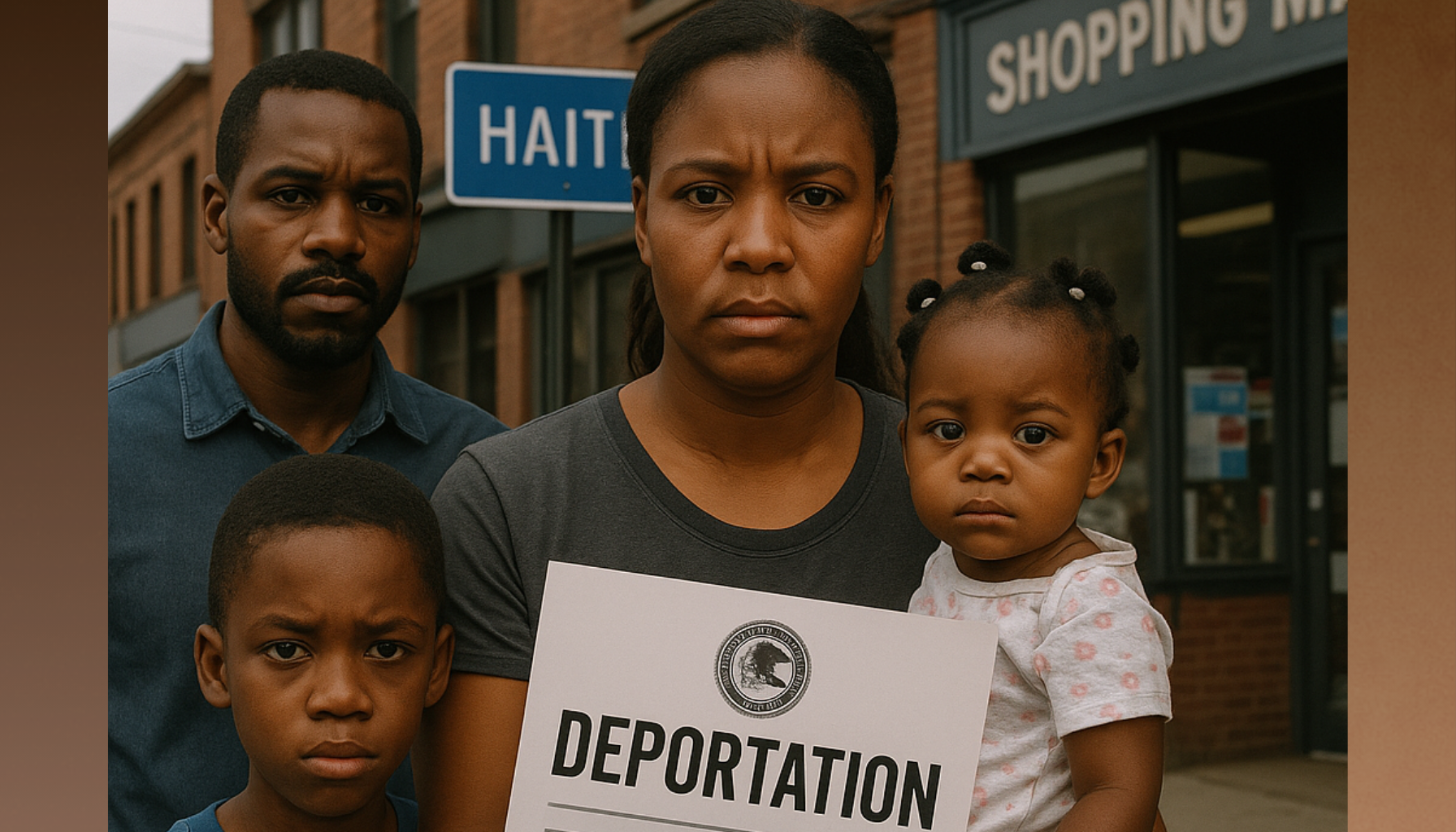
WASHINGTON, D.C., July 1, 2025 – Nearly half a million Haitian nationals living in the United States face the looming loss of legal protections as the Department of Homeland Security announces the end date for Haiti’s Temporary Protected Status (TPS). The move marks a dramatic policy shift, triggering widespread concern among communities and advocates nationwide.
What’s Happening — and When
TPS for Haiti, in place since the catastrophic 2010 earthquake, was last extended in February 2025, with re-registration open through August 3 — a trimmed renewal period from the previous 18 months . However, a June 27 DHS decision stipulates that all protections and work permits tied to TPS will expire on September 2, 2025 .
Why DHS Ended TPS
Secretary of Homeland Security Kristi Noem declared Haitian conditions—particularly environmental factors—have improved enough to meet TPS eligibility standards . This mirrors similar wind-downs for Venezuelan, Afghan, and Cameroonian TPS holders .
Critics Sound Alarm
But critics—from immigrant advocates to Haitian-American leaders—strongly dispute the DHS rationale. They point to Haiti’s dangerously unstable state: rampant gang violence in Port‑au‑Prince, no elections since 2016, mass displacement, and acute humanitarian needs . The U.S. State Department still lists Haiti on its highest travel warning (Level 4): “Do not travel” ().
In communities across Miami-Dade and North Miami, leaders have gone public in urgent pleas.
“They will be kidnapped, raped and killed,” said Frandley Julien of the Haitian Lawyers Association.
While Vice Mayor Kassandra Timothe and others urged the White House to reverse course, warning of a “humanitarian disaster” .
The Human Toll
The termination of TPS doesn’t just remove deportation protection—it revokes work authorization as well, leaving hundreds of thousands without legal status, income, and stability . Many have lived in the U.S. for over a decade, established strong community ties, and filed asylum or other petitions—some still pending .
ICE enforcement will shift into high gear: Haitians without status by September may face arrest, detention, and possible removal. DHS is even urging voluntary departure via smartphone apps .
How Haitian TPS Holders Can Respond
• Explore other relief paths: DHS encourages eligible individuals to apply for asylum, family-based visas, or other legal avenues before protections lapse ().
• Track dates: TPS re-registration closed August 30, 2024, for existing beneficiaries, but the designation remains formally in effect until September 2, 2025 .
• Seek legal aid: Nonprofits, legal clinics, and bar associations are already organizing “Know Your Rights” workshops, especially in cities like Miami, Boston, Houston, and New York.
Bigger Picture: Immigration Crackdown
This action is part of a broader Trump administration push reversing Biden-era protections. In May, the Supreme Court upheld the end of parole programs affecting over 500,000 migrants—including Haitians . For TPS, the pattern is similar: first Venezuelans, now Haitians—soon possibly Cameroonians and Afghans as legal decisions unfold.
The hard-line is being enforced through new executive tools like the Laken Riley Act (mandating detention for non-citizens charged with certain crimes) and mass deportation operations that have already removed over 200,000 migrants by June 10, 2025 .
What This Means for Cultural Care
Thousands of Haitian caregivers, nannies, and au pairs now face legal limbo. Many are pillars in American households and children’s lives. Potential deportations threaten not only families and communities but also child welfare, trust in caregivers, and cultural continuity.
Agencies, employers, and clients should proactively:
• Connect aides to legal support and resources.
• Avoid last‑minute disruptions by planning alternatives well ahead of September.
• Amplify Haitian voices, ensuring coverage and advocacy in mainstream media.
Final Take
As September 2 approaches, Haitian TPS holders stand at a vital crossroads. Their future hinges on navigating a shrinking legal landscape while confronting the stark reality of returning to one of the world’s most unstable nations. For Cultural Care families—and for American society at large—the question is not just legal compliance but moral responsibility.