
By Tephanie Delaney
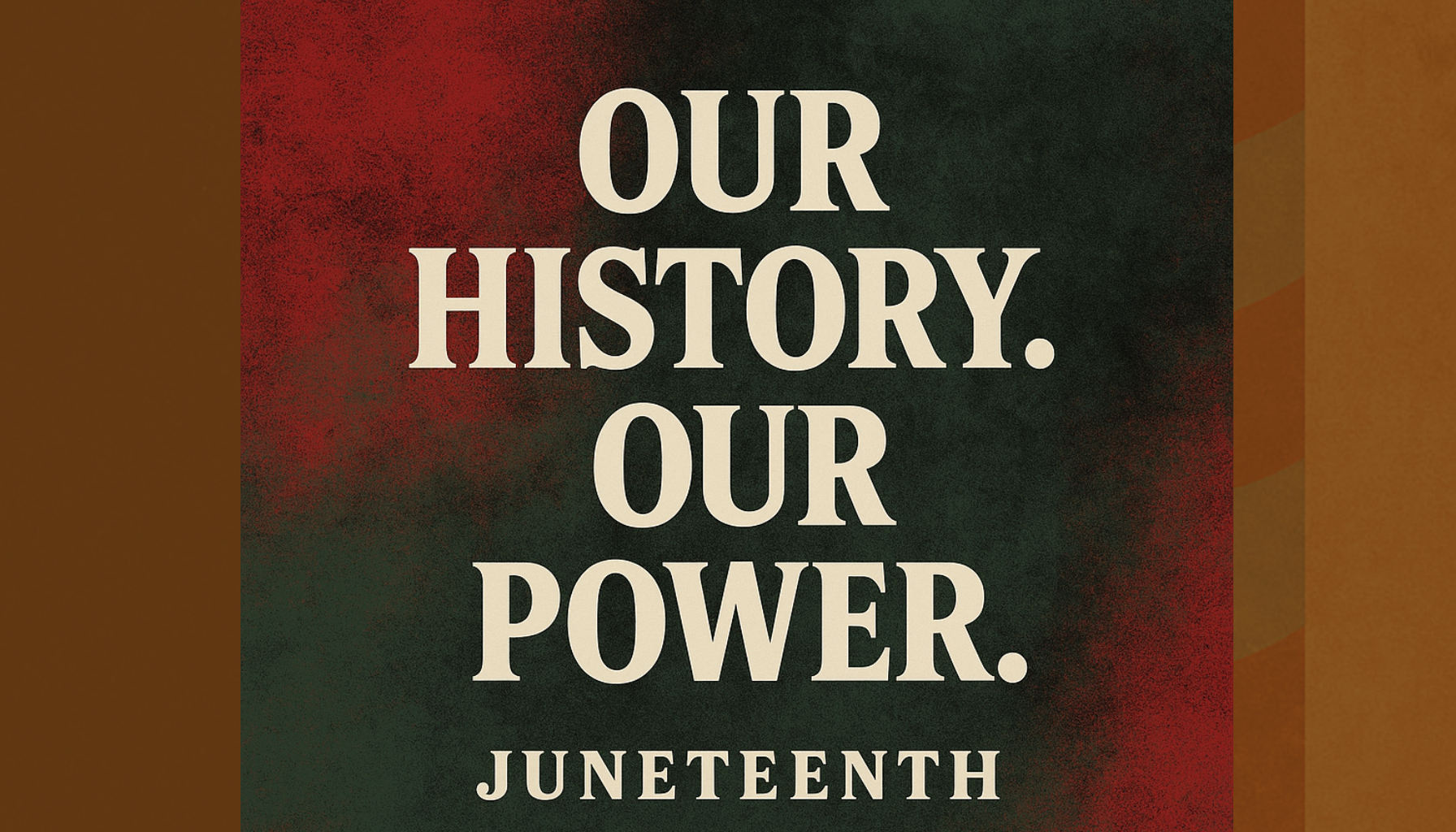
On June 19, 1865—more than two years after President Abraham Lincoln signed the Emancipation Proclamation—enslaved Black Americans in Galveston, Texas, were finally informed that they were free. That day became known as Juneteenth, a blend of “June” and “nineteenth,” and it marks one of the most important anniversaries in American history.
Today, Juneteenth is more than a date. It’s a cultural touchstone, a call to remembrance, and a declaration of the unbreakable spirit of the Black community.
The Significance Behind the Delay
While Lincoln’s proclamation officially ended slavery in 1863, enforcement was slow and uneven—especially in Confederate-controlled states. Texas, the most remote of the slave states, remained largely untouched by Union troops until Major General Gordon Granger arrived in Galveston and issued General Order No. 3, which stated:
“The people of Texas are informed that, in accordance with a proclamation from the Executive of the United States, all slaves are free.”
The order not only declared freedom, but also equality in personal and property rights. For those who had lived their lives in bondage, the words were both liberating and long overdue.
A Legacy of Celebration
Juneteenth was first celebrated in 1866 with church gatherings, music, food, and prayers. Over the decades, it became a fixture in Black communities across the South, eventually spreading nationwide as families migrated and carried their traditions with them.
Today, Juneteenth is a federal holiday—officially recognized in 2021—and celebrated with parades, festivals, educational forums, storytelling, and communal meals that honor African-American culture and achievements.
Why Juneteenth Still Matters
Juneteenth is not just a historical event—it’s a mirror reflecting where we’ve been and a lens focusing on where we must go. It is a day to honor ancestors who fought for liberation and those who continue the struggle for justice, equity, and dignity.
In many Black communities, Juneteenth is also a moment for intergenerational dialogue—a chance for elders to pass down stories and wisdom, and for youth to engage with history that was too often omitted from textbooks.
Honoring Freedom Through Culture
Cultural Kare Magazine believes Juneteenth is an opportunity not just to commemorate freedom, but to celebrate culture: from Black-owned businesses and community organizers, to artists, chefs, healers, and educators who embody the legacy of resilience and excellence.
Across the nation, cities are reclaiming Juneteenth as a platform for economic empowerment, mental health awareness, and civic engagement. It’s not just a day off—it’s a day of action.
Our Commitment
As we reflect on the meaning of Juneteenth, Cultural Kare Magazine remains committed to amplifying Black voices, honoring cultural heritage, and creating spaces where truth, healing, and progress can thrive.
Because when we remember our roots, we rise together.