
Nearly three decades after the murder of Tupac Shakur sent shockwaves through hip-hop and American culture, a Las Vegas jury has delivered the first conviction in the case.
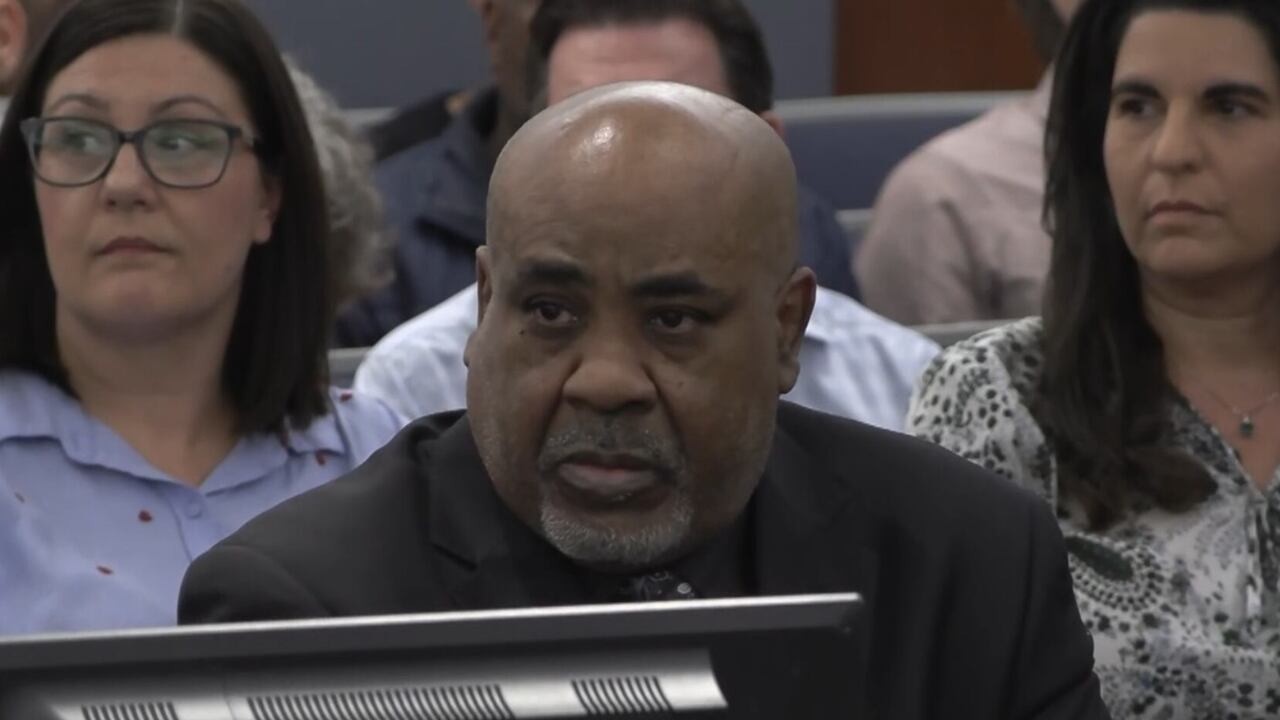
Duane “Keffe D” Davis, 63, was found guilty of first-degree murder in connection with the 1996 drive-by shooting that killed the 25-year-old rapper.
The jury reached its verdict in less than three hours following a trial that revisited one of the most talked-about unsolved killings in music history.
Shakur was shot on September 7, 1996, while riding in a vehicle with Death Row Records co-founder Marion “Suge” Knight near the Las Vegas Strip. He died six days later.
For decades, the case remained without a criminal conviction.
Prosecutors did not allege that Davis was the person who fired the fatal shots. Instead, they argued that he orchestrated the attack following an altercation earlier that evening involving Shakur, members of his entourage and Davis’ nephew.
Much of the case centered on Davis’ own words.
Over the years, Davis publicly discussed his presence in the Cadillac involved in the shooting and details surrounding the weapon. His interviews, statements to investigators and 2019 memoir became key pieces of the prosecution’s case.
The defense argued that Davis had exaggerated or fabricated portions of his story for attention and financial gain and emphasized the lack of physical evidence directly tying him to the murder.
The jury ultimately sided with prosecutors.
The emotional weight of the moment was evident inside the courtroom. Shakur’s sister, Sekyiwa “Set” Shakur, was seen crying following the verdict.
Davis has indicated that he intends to appeal.
He is being held without bail while awaiting sentencing, currently scheduled for October 13. He could face life in prison.
For hip-hop, the verdict closes one chapter of a story that has remained part of the culture for an entire generation.
Tupac Shakur was only 25 when he died, but his music, activism, poetry and commentary on race, poverty, policing and life in Black America have continued to influence artists nearly 30 years later.
The verdict cannot change what happened on that Las Vegas street in 1996.
But after decades of theories, documentaries, interviews and unanswered questions, a jury has now spoken.